
How to Plan a Kitchen Remodel Without Costly Mistakes
Plan a Kitchen Remodel in St. Charles
Quick Take: A kitchen remodel in St. Charles runs between $30,000 and $80,000 depending on scope and materials. The biggest budget mistakes happen before construction even starts. Getting your layout, budget, and material order right in the planning phase saves thousands down the road.
Most homeowners start a kitchen remodel with excitement. They browse Houzz, save photos, and picture the finished result. What trips them up is everything that happens before the first cabinet goes in.
The planning phase is where costly mistakes are made or avoided. In the Fox Valley area, older home construction, Kane County permit requirements, and Chicago-metro material costs all add layers that generic online guides skip right over. This blog walks through what actually matters when you plan a kitchen remodel the right way.
Set a Real Budget Before You Fall in Love With Finishes
Most homeowners pick their dream finishes first and figure out the budget second. That order causes real problems. By the time costs are tallied, something has to get cut, and it usually hurts.
A full kitchen remodel in St. Charles runs between $30,000 and $80,000 for most homes. Cabinetry alone can account for 30 to 40 percent of that total. Countertops, flooring, appliances, and labor stack up quickly after that.
Before you look at a single cabinet door, set a firm number you are comfortable spending. Then build in a 10 to 15 percent contingency for surprises. Homes in the Fox Valley area, especially those built before 2000, regularly turn up issues once walls open that were not visible during the initial walkthrough.
Our design team starts every project with a budget conversation before anything else. That first discussion shapes every material recommendation that follows. When budget and design work together from the start, you avoid the frustration of falling in love with something you have to give up later.
Lock In Your Layout Before Anything Else
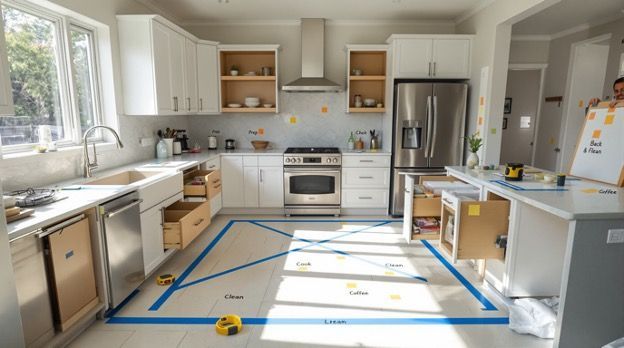
The layout is the foundation of every decision that follows. Cabinet sizes, appliance placement, and countertop runs all depend on it. Changing the layout after ordering has started is one of the most expensive mistakes a homeowner can make.
The work triangle between your sink, stove, and refrigerator should measure between 4 and 9 feet on each side. Shorter than that and two people cannot move through the kitchen comfortably. Longer than that and daily cooking becomes exhausting.
A few layout mistakes come up again and again in Fox Valley homes.
- Islands sized too large for the space: Aim for at least 42 inches of clearance on all walkable sides.
- Refrigerator doors that swing into a traffic path: This gets missed on paper and only noticed after installation.
- Not enough counter space near the stove: Every cook needs a landing zone on both sides.
- Storage planned by looks, not daily use: Deep corner cabinets sound good until you cannot reach anything inside them.
Getting the layout locked before design selections begin is the single biggest thing that protects your kitchen remodeling project from costly mid-stream changes.

What Fox Valley Homes Often Hide Behind the Walls
Many homes in St. Charles, Geneva, and Batavia were built between the 1970s and early 2000s. They are solid homes, but they carry surprises that newer construction does not. A kitchen remodel often reveals those surprises the moment demo begins.
Outdated wiring is one of the most common finds. Kitchens added over the decades often have circuits that cannot handle modern appliances. Bringing them up to code adds cost, but skipping it is not an option when inspectors are involved.
Plumbing is another area that catches homeowners off guard. Galvanized pipes from older construction corrode from the inside out. They may look fine until a wall comes down and the full picture becomes visible.
Moisture damage behind older tile or under subfloors shows up more often than most people expect. A slow leak that went unnoticed for years can mean additional demo and structural repairs before the real remodel work begins. None of this is reason to avoid a remodel. It is reason to work with a team that knows what to look for and builds realistic contingencies into the plan before anything gets torn out.
Navigating Permits in St. Charles and Kane County
Permits are one of the most skipped topics in kitchen planning guides. They are also the most common reason projects run longer than expected. In Kane County, a full kitchen remodel that involves electrical, plumbing, or structural changes requires permits before work begins.
The permit process in St. Charles involves submitting plans, waiting for approval, and scheduling inspections at key stages. Approval timelines vary depending on project scope and the city’s current workload. Rushing this step or skipping it entirely creates problems at resale and can trigger costly corrections later.
A lot of homeowners do not realize that cabinet installation tied to structural wall changes also falls under permit requirements. Even a remodel focused primarily on custom kitchen cabinets can require sign-off if the scope touches load-bearing elements or utility lines.
We handle the permitting process for every project we manage. That includes submitting the right documentation, coordinating inspection schedules, and making sure nothing stalls your timeline. Homeowners doing this for the first time can hand that entire process off and focus on the design decisions that actually need their attention.
Choose Materials in the Right Order
Material selection feels like the fun part of a remodel. It is, but only when decisions happen in the right sequence. Choosing countertops before cabinetry, or hardware before either, leads to combinations that clash or dimensions that do not work.
Start With Cabinetry
Cabinets set the tone for everything else. They define the color palette, the style direction, and the spatial layout of the entire kitchen. At our St. Charles showroom, we carry lines from Tedd Wood, Omega, and Designers Choice.
Options range across fully custom solid wood, flexible semi-custom sizing, and eco-conscious builds depending on your budget and style direction. Getting cabinet selections confirmed first gives every other decision a clear starting point.
Then Countertops and Hardware
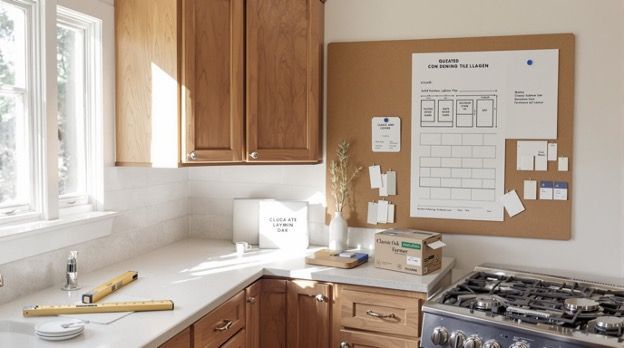
Once cabinetry is locked in, countertop selection becomes much easier. The cabinet finish narrows the field considerably. A warm wood tone points toward different countertop options than a painted white shaker door does. Hardware comes last because it needs to complement both. Pulling hardware samples against confirmed cabinet and countertop selections prevents the kind of mismatched results that are hard to fix after installation.
Skipping this sequence is one of the quieter mistakes in kitchen planning. It rarely gets talked about, but it shows up clearly in the finished product when selections were made out of order.
Build a Realistic Timeline and Plan for Disruption
A full kitchen remodel in the St. Charles area takes between 8 and 14 weeks from signed contract to final walkthrough. Cabinet orders alone usually land 4 to 8 weeks after they are placed, and that lead time runs alongside demo and prep work, not after it. Going in with a realistic number prevents a lot of frustration mid-project.
Living without a kitchen for several weeks is the part most planning guides gloss over. Setting up a temporary space with a microwave, countertop burner, and a small refrigerator in another room keeps things manageable. Families with school-age children especially benefit from planning meals and a simple setup in advance.
Delays happen on most projects. Material backorders, inspection scheduling, and unexpected structural finds all affect the calendar. The same planning principles apply if you are also considering a bathroom remodel at the same time. A team that communicates proactively about those changes makes the difference between a stressful experience and a manageable one.