
Kitchen Layout Mistakes That Hurt Function
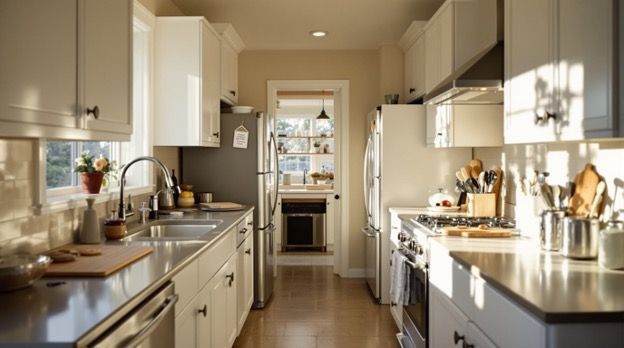
Kitchen Remodeling in St. Charles Layout Tips
Quick Take: Most kitchen remodeling mistakes in St. Charles aren't about cabinet color or countertop material. They're about layout. A poor layout makes even a beautiful kitchen frustrating to use every day. Getting the bones right before construction starts saves Fox Valley homeowners thousands in costly corrections later.
A kitchen remodel is one of the biggest investments a homeowner can make. Most people spend months choosing cabinet styles, countertops, and hardware. But the decisions that affect daily life the most happen much earlier than that.
Layout determines how well your kitchen actually works once the project is done. A poorly placed island or a cramped aisle doesn't get fixed with a coat of paint. These are the mistakes that stay with you for years. Getting them right from the start is what separates a kitchen you love from one you just tolerate.
When the Work Triangle Breaks Down
The work triangle connects your three most-used stations of sink, stove, and refrigerator, and each leg should measure between 4 and 9 feet. That range exists for a reason. When those distances are off, the kitchen stops working the way it should regardless of how good it looks.
A triangle that's too tight puts everything within arm's reach, which sounds convenient. What that actually means is constantly pivoting in a cramped space. Open the oven door and you're blocking the path to the sink. Pull open the refrigerator and it swings into your prep zone.
A triangle that's too spread out creates a different problem. You end up walking unnecessary steps dozens of times a day. That adds up fast during meal prep, especially in a busy Fox Valley household where two people are often cooking at the same time.
Most homeowners don't think about the work triangle until after a project is underway. By then, moving appliances or restructuring the layout means added cost and lost time.
Aisle Width and Traffic Flow Mistakes
Single-Cook vs. Two-Cook Kitchens
Aisle width is one of the most overlooked measurements in kitchen planning. A single-cook kitchen needs at least 42 inches of clearance between counters. If two people regularly cook together, that number goes up to 48 inches. Anything narrower and you're squeezing past each other every time someone opens a drawer.
This matters more than most homeowners expect. Two people can't pass without turning sideways in a tight aisle. One person unloading groceries shuts down the entire workspace for anyone trying to cook.
Island Placement That Creates a Bottleneck
Islands create problems when they're placed too close to the perimeter wall. The NKBA recommends a minimum of 42 inches of clearance on all working sides. Anything less and the kitchen starts to feel like an obstacle course the moment more than one person is in it.
The Kitchen and Bath Design Store team plans traffic flow as part of every full kitchen layout review. Poor island placement is one of the issues we catch most often before a project ever breaks ground.
Getting Island Size Wrong
The island is the most requested feature in any kitchen remodel. It's also the most commonly oversized one. Homeowners see large islands on Pinterest and assume the same design will work in their space. It usually doesn't.
A functional island needs at least 42 to 48 inches of clearance on every working side. Seating overhangs require a minimum of 12 inches for stools, and 15 to 18 inches for comfortable legroom. When those numbers aren't accounted for, the island ends up eating the workspace instead of adding to it.
This comes up often in Fox Valley homes built in the 1980s and 1990s. Those floor plans weren't designed with large islands in mind. The kitchen footprint looks like it can handle one until the measurements go down on paper.
A smaller, well-placed island almost always outperforms a large one that crowds the room. Function has to come before aesthetics when the space is limited.
Cabinet Placement That Kills Your Workflow
Cabinetry takes up more of your kitchen budget than almost anything else. Poor placement means that investment works against you every single day. Four placement errors come up again and again when we review kitchen cabinet layouts before a project starts.
- Upper cabinets installed too close to the range block the vent hood from doing its job. Smoke and grease have nowhere to go, and the cabinets take the damage over time.
- A pantry door that swings into the refrigerator path forces you to choose between accessing one or the other. It sounds minor until you're doing it ten times a day.
- Deep base cabinets without pull-out shelving become dead zones almost immediately. Anything pushed to the back stays there.
- Wall cabinets placed too high make daily items hard to reach. Placed too low, they cut into your counter workspace.
Getting cabinet placement right is about more than storage. It's about making sure every inch of your kitchen actually gets used.
What Gets Missed Before Construction Starts
Most layout mistakes aren't caught during construction. They're caught after, when fixing them means tearing out work that's already been done. That's the most expensive version of a problem that could have been solved on paper.
We catch the majority of these issues during the design phase, before a single cabinet is ordered. A detailed 3D layout shows exactly how traffic flows, where clearances fall short, and whether the work triangle holds up in real life. What looks fine in a sketch often reveals a conflict the moment it becomes a full rendering.
This planning stage matters just as much for bath remodeling projects as it does for kitchens. Layout principles don't change based on the room. Rushed planning produces the same avoidable problems either way.
Skipping this phase is one of the most reliable ways a remodel goes over budget. A conflict caught in the design stage costs nothing to fix. Found during installation, it can mean reordering materials, rescheduling trades, and absorbing real added expense.
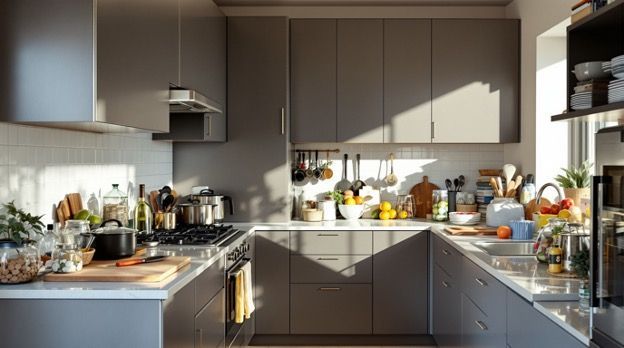
Older Home Surprises That Change the Layout Plan
Many Fox Valley homes were built between the 1980s and early 2000s. They were designed around a different set of habits, appliances, and family sizes. Opening up those walls during a remodel sometimes reveals problems that weren't visible from the outside.
Outdated plumbing runs can limit where a sink or dishwasher can go. A load-bearing wall in the middle of an open-concept plan changes what's structurally possible. An electrical panel on the wrong wall can add $1,000 or more to the project just to relocate a single appliance.
These aren't reasons to avoid remodeling. They're reasons to plan carefully. A detailed design phase brings these issues to the surface early, when adjusting the layout is still a simple conversation rather than a costly change order.
Homeowners who skip that planning step are the ones most likely to hit these surprises mid-project. The layout that made sense before the walls opened up may need to change once the real conditions are visible. Having a flexible plan from the start is what keeps a project on track.
Conclusion
Layout is the part of a kitchen remodel that nobody sees, but everybody feels. The right clearances, a functional work triangle, and well-placed cabinetry make daily life easier in ways that are hard to put a number on. Getting those details locked in during the planning phase is what makes everything else fall into place.
A kitchen remodel in St. Charles is a significant investment. The best way to protect it is to spend the time planning it properly from the start. A well-designed layout is the one thing you'll never have to go back and fix.