
Kitchen Remodeling for Older Homes
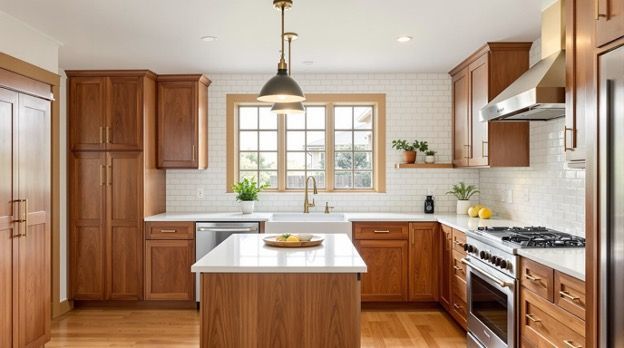
Kitchen Remodeling for Older Homes in St. Charles
Quick Take: Older kitchens in St. Charles and the Fox Valley area often hide surprises behind the walls. With the right planning and a local team who knows these homes, you can modernize your kitchen without losing what makes it special.
Many Fox Valley homes were built between the 1970s and early 2000s. They have great bones, established neighborhoods, and character that newer construction simply can’t replicate. But the kitchens in those homes were designed for a different era, and most families feel it every single day.
A kitchen remodel in an older home isn’t the same as remodeling a newer one. There are layers to work through: the layout, the systems running behind the walls, and the details that give the space its personality. Getting it right takes experience, honest planning, and a team that has handled these situations many times before.
What Sets Older Kitchens Apart
Kitchens built in the 1980s and 1990s followed a very different logic. Cabinet runs lined every wall. The refrigerator sat in its own tucked corner. There was rarely an island, and the kitchen was separated from the rest of the living space on purpose.
That separation made sense at the time. But families today want something different. They want room to cook together, space to help with homework at the counter, and a kitchen that connects to where everyone actually gathers.
Older kitchens also tend to run short on storage in the places that matter most. Drawer space is limited. Upper cabinets go all the way to the ceiling with no practical way to reach them. Counter space disappears quickly because the layout wasn’t built around how people cook today.
None of this means the kitchen can’t be saved. It means the remodel needs to start with a clear picture of what isn’t working and why. That honest assessment is what separates a renovation that feels good for a few years from one that works well for decades.
Behind the Walls: What Older Homes Often Reveal
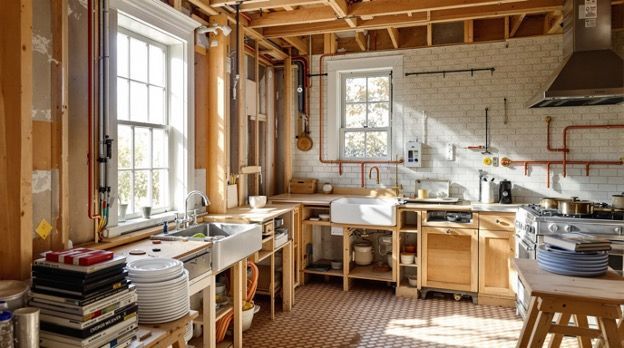
One of the most common surprises in an older home remodel isn’t the design. It’s what the crew finds once the walls open up. Homes built before the mid-1990s frequently have undersized 100-amp electrical panels, aluminum wiring from the 1960s and 70s, and plumbing connections that were never designed to handle a modern kitchen’s demands.
Some of the most frequently uncovered issues in Fox Valley homes are worth knowing before you start budgeting.
- Electrical panels that can’t support modern appliances without an upgrade.
- Outdated or undersized plumbing lines near the sink and dishwasher.
- Subfloor damage or moisture buildup along exterior and sink walls.
- Load-bearing walls in places that complicate open-concept layouts.
- Insulation gaps that affect energy efficiency once walls are open.
This isn’t a reason to avoid remodeling. It’s a reason to plan for it honestly. A good remodeling team will flag these issues early, walk you through what needs to be addressed, and help you understand how it affects your timeline and budget. Surprises hurt most when nobody planned for them.
A team that has spent decades inside Fox Valley homes has seen these situations before and knows how to keep a project moving without cutting corners. If you’re starting to think through what a remodel might involve for your home, the kitchen remodeling services page is a good place to get a sense of what the full process looks like.
Preserving Character While Modernizing Function
Older homes have details that newer construction rarely includes. Wide trim profiles, solid wood doors, thoughtful proportions, and a sense of permanence that feels built-in rather than assembled. A lot of homeowners worry that remodeling will strip that character away and leave them with something that looks like every other kitchen they’ve seen online.
It doesn’t have to work that way. The goal is to modernize what isn’t working while keeping what gives the space its personality. That might mean choosing cabinet door styles that echo the architectural trim already in the home. It might mean working with a color palette that feels current without feeling foreign to the rest of the house.
Cabinetry is usually where this balance gets decided. The right cabinet style, finish, and hardware can honor the vintage feel of an older home while bringing real storage and functionality into the space. It’s worth taking time with those decisions rather than defaulting to whatever is trending. You can explore the full range of styles and finishes through the kitchen cabinets page to get a sense of what that selection actually looks like.
Remodels that feel most cohesive when finished are the ones where the new work respects what was already there. That takes a designer who listens before they start drawing layouts.
Layout Changes That Make the Biggest Difference
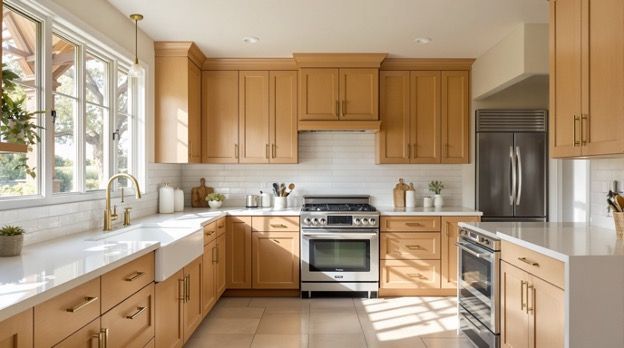
The most impactful changes in an older kitchen remodel usually come down to layout. Opening a wall, adding an island, or shifting the sink to a better position can completely change how the space feels and functions. But not every wall can come down, and not every change is as simple as it looks on a floor plan.
Structural integrity is the first thing to assess before any layout conversation goes too far. Load-bearing walls require proper engineering to modify safely. Moving plumbing or gas lines adds cost and coordination time. These aren’t obstacles to avoid. They’re variables a good designer builds the plan around from the beginning.
The kitchens that see the best results are the ones where the layout conversation starts with how the family actually uses the space. Where does everyone land when they walk in from the garage? Where does meal prep naturally happen? A layout built around those real patterns will serve the family far better than one built around what looks good in a rendering.
When the design team and installation crew work under one roof, layout decisions get made with full awareness of what’s structurally possible. Nothing gets lost between a floor plan and a job site. You can learn more about that process at kitchenandbathdesignstore.com.
Working With a Local Team Who Knows Fox Valley Homes
There’s a real difference between hiring a general remodeling crew and working with a team that has spent decades inside homes like yours. Fox Valley homes have their own patterns. How they were built, what materials were common in that era, and what the permit process looks like in Kane County. That kind of local knowledge is built over years, not looked up before a project starts.
Kitchen and Bath Design Store has been working with St. Charles and Fox Valley homeowners since 1988. That’s more than 35 years of kitchens, layouts, older home surprises, and design decisions made right here in this market. The installation team is in-house, which means the same people who design your kitchen are coordinating directly with the crew installing it.
The showroom on West Main Street is also worth a visit before making any decisions. Seeing cabinet styles, hardware, and finishes in person changes how those choices feel. It’s a lot easier to commit to a direction when you’ve held the samples in your hands rather than approved them on a screen.
Many Fox Valley homeowners also find that a kitchen remodel opens up a natural conversation about the bathrooms in their home. If that’s on your radar too, the bath remodeling page outlines what that process looks like.
Conclusion
Remodeling an older kitchen takes more than new cabinets and fresh paint. It takes honest planning, the right team, and a design process built around how your family actually lives. Projects that finish well are the ones where nothing was left to guesswork.
Kitchen and Bath Design Store has been helping Fox Valley homeowners work through exactly these decisions since 1988. The process is designed to keep you informed and confident at every stage. If your kitchen has been on your mind, now is a good time to start that conversation.